Teacher SVG Craft Bundle Vol - 10 Review for Real Projects
First Impressions and Design Personality
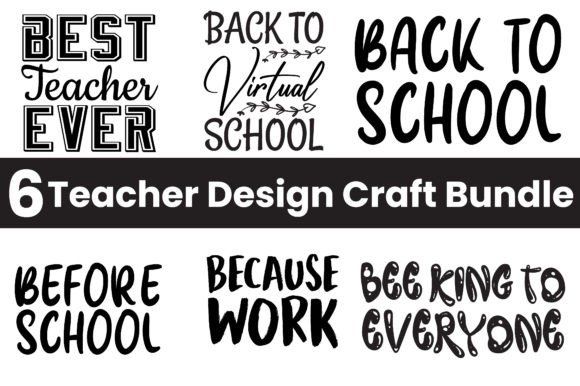
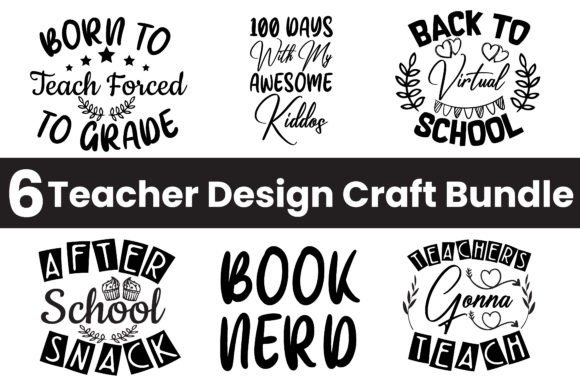
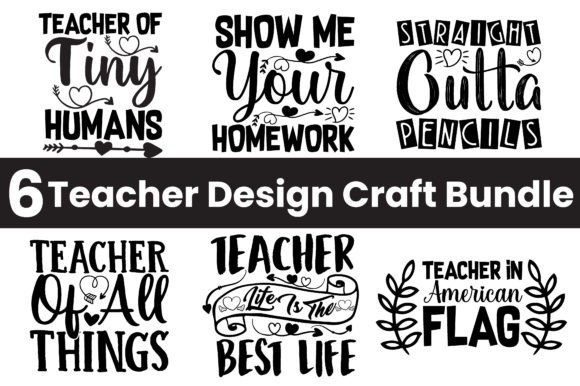
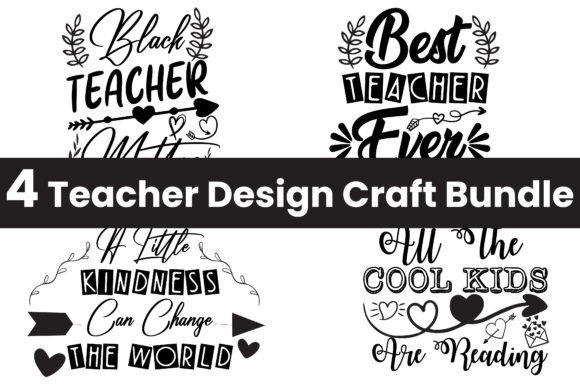
The Teacher SVG Craft Bundle Vol - 10 caught my eye with its clean, modern aesthetic that still carries a warm, personal touch. As an embroidery designer who regularly works on custom apparel and handmade gifts, I immediately sensed this bundle’s potential for versatile use. The included designs range from simple line art to more detailed motifs, which makes it easy to imagine them stitched onto various surfaces like tote bags or baby onesies.Real-World Performance Across Embroidery Uses
- Custom Apparel: Whether it’s a sweatshirt, t-shirt, or apron, the designs adapt well to different garment types. Their balanced proportions mean they won’t overwhelm smaller pieces like hats or caps.
- Baby Items: The soft, approachable style fits perfectly into baby clothes and nursery decor. A small applique design worked beautifully as an embroidered patch on a bib.
- Pillows and Stickers: The JPEG and DXF files make it easy to create printable mockups or vinyl cut stickers. For pillows, the repeating elements in some designs can be broken down into sections for layered stitching.
- Holiday Gifts and Cards: One of the SVGs features a holiday-themed graphic that would look great as a festive card design or added to a handmade ornament. Its clarity in black and white made it ideal for tonal embroidery without needing multiple thread colors.
- Etsy Listings and Boutique Branding: The variety of file formats gives sellers flexibility in presenting their products online. Transparent PNGs work particularly well for showcasing items like embroidered patches or tote bags against different backgrounds.
Where to Use with Caution
Small Hoop Sizes: Some of the more intricate designs might push the limits of mini hoops. I noticed that tiny lettering didn’t always render clearly when scaled down. If you're planning to use them on embroidered buttons or small patches, test the design first to ensure readability after stitching.
Textured or Stretchy Fabrics: Designs with fine details may struggle on fabrics like flannel or jersey knit. Stitch density plays a role here—too much can cause distortion, too little and the design loses definition. I recommend testing on a scrap of similar material before moving to final production.
Dark Fabric Backgrounds: Thread contrast is essential. While the bundle includes some bold shapes that pop on darker materials, others rely on subtle shading. Always review the design in black and white or low-contrast settings to see if it maintains its integrity.
Commercial Considerations
If you're an Etsy seller or running a craft business, understanding the limitations is part of the job. These designs look great for personalized gifts and boutique-style merchandise, but for high-volume commercial embroidery, you may need to adjust stitch counts or simplify certain elements. The lack of exact stitch counts in the product description means you’ll need to open the files in your embroidery software to get accurate measurements. Also, keep in mind that licensing terms for digital design bundles can vary. Before selling any finished items or offering these as digital product previews, double-check the license agreement to avoid legal issues. This is especially important if you plan to offer the designs as part of your own design assets package.Visual Appeal and Customer Reaction
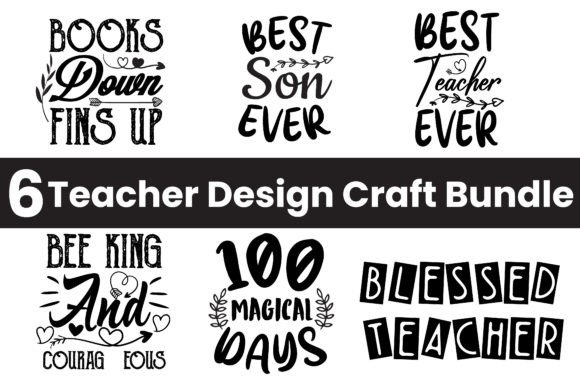
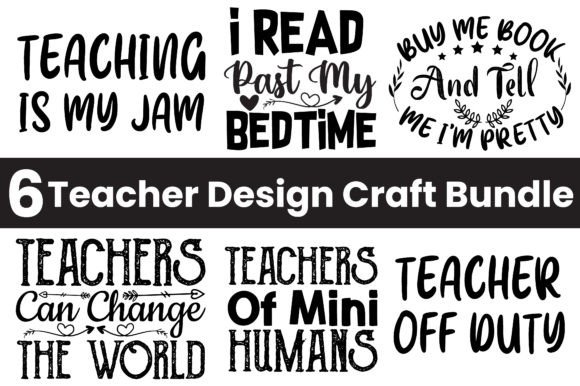
The clarity of the stitch paths ensures that the finished product looks cohesive, even when printed in a catalog or shown as part of an embroidery project. The consistent style across all six designs allows for brand consistency if you're using them across multiple items in a collection.Design Notes for Optimal Results
- Test on Scrap Fabric: Always run a sample stitch before committing to a full batch. Especially with cotton blends and stretchy knits, you’ll want to know how the design holds up under tension.
- Check Thread Color Contrast: Some designs depend on subtle gradients. Make sure your thread choices maintain visibility on the intended fabric.
- Review Stitch Density: In dense stitch areas, consider using a tear-away stabilizer underneath to prevent puckering. Too many stitches in one area can distort the fabric unless supported properly.
- Confirm Hoop Size: Since no specific hoop sizes are listed, load the design into your software and check dimensions. Oversized designs may require multiple hooping steps or simplification.
- Inspect Small Details: Tiny text or delicate linework may not hold up in every context. Scale carefully and avoid using them on textured or uneven surfaces.
- Use Proper Stabilizer: Depending on the fabric type, a combination of cutaway and tear-away stabilizers may yield the best results. This is especially true for sweatshirt embroidery or embroidered patch applications.
- Compare Light and Dark Backgrounds: Use the JPEG and PNG files to simulate how the design will appear on different fabric tones. This helps in selecting the right thread palette and avoiding surprises post-stitch.